← Home · In-Situ Testing

Field Density Testing (Sand Cone) — ASTM D1556 in Columbus GA

Together, we solve the challenges of tomorrow.

DETAILS →

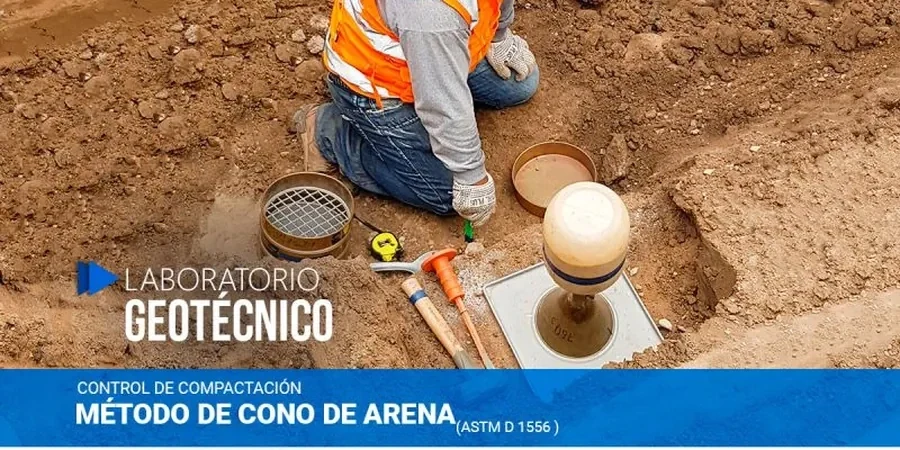
ASTM D1556 is the standard we use for field density in Columbus. The sand cone method gives you a direct answer on compaction. No guesswork. On Piedmont residual soils — common across Muscogee County — density readings can shift fast if moisture content isn't controlled. A Proctor test in the lab sets your target. Then we verify it on-site. The sand cone method works on fine-grained and coarse-grained soils up to about 1.5 inches of particle size. It's reliable. It's repeatable. And it's accepted by every building official in Georgia. When you need pavement base verification on the Veterans Parkway corridor, or backfill acceptance near the Chattahoochee River floodplain, this test keeps your project moving without rework.

On the Fall Line, one site can behave like two different projects. Field density testing tells you which one you're on.

Process overview

Columbus sits on the Fall Line. That means the soil transitions from Piedmont silty clays to Coastal Plain sands right under the city. Compaction behavior changes across a single site. In the northern part of town, residual micaceous silts from weathered schist can hold water and compact poorly if overworked. Down south toward Fort Benning, sands drain fast and require immediate moisture conditioning. We calibrate the sand cone test with site-specific grain size analysis to confirm the material type before field work starts. The test uses a calibrated density sand — uniform, clean, and dry — poured through a cone into an excavated hole. The volume displaced gives us the in-place wet density. Dry density is calculated. Then we compare it to the laboratory maximum dry density. The result is a compaction percentage that tells you yes or no. Acceptance criteria typically follow GDOT standards: 95–100% of standard Proctor for structural fill, 98% for base course under rigid pavement.
Field Density Testing (Sand Cone) — ASTM D1556 in Columbus GA
Technical reference image — Columbus Georgia

Local context

The most common mistake we see in Columbus is placing fill during wet winter months without checking density layer by layer. A contractor puts down 12 inches of compacted fill. It looks tight. Then the first hot summer week hits, the clay shrinks, and a slab cracks. That's a direct cost to the builder. Another issue: using nuclear gauges on micaceous silts without sand cone correlation. The hydrogen in mica throws off the nuclear reading. The sand cone method doesn't care about mineralogy. It's a physical measurement. You dig. You weigh. You calculate. It's slower than a nuclear gauge, but it's the referee when results are in dispute. For trench backfill near Broad Street utilities, skipping a density test can mean settlement around a new water line. The repair costs more than the test ever would.

Need a geotechnical assessment?

Reply within 24h.

Email: contact@geotechnicalengineering1.sbs

Technical parameters

ParameterTypical value
Standard methodASTM D1556 / AASHTO T-191
Soil types suitableFine to medium-grained soils, max particle size 1.5 in
Test depth range4–8 inches typical; deeper with step excavation
Calibration sandUniform, clean, dry Ottawa sand or graded sand per ASTM C778
Typical acceptance (fill)95% standard Proctor (GDOT spec)
Typical acceptance (base course)98% standard Proctor
Report turnaroundSame day, digital PDF with GPS coordinates

Additional services

01

Sand Cone Density Test

ASTM D1556 field test with calibrated sand. We provide wet and dry density, compaction percentage, and a signed report with test location mapped.

02

Standard Proctor (Lab Reference)

ASTM D698 laboratory compaction test to establish the maximum dry density and optimum moisture content for your site soil.

03

Trench Backfill Verification

Per-lift testing during utility installation. We work alongside your crew to keep the backfill operation on schedule.

04

Pavement Base Acceptance

Pre-paving density checks on graded aggregate base and cement-treated base. Same-day results to avoid downtime before asphalt or concrete placement.

Reference standards

ASTM D1556: Standard Test Method for Density and Unit Weight of Soil in Place by Sand-Cone Method, AASHTO T-191: Density of Soil In-Place by the Sand-Cone Method, GDOT Standard Specification Section 205: Roadway Excavation and Fill, ASTM D698: Standard Proctor compaction reference

FAQ

How much does a sand cone density test cost in Columbus?

For sites in the Columbus area, a single sand cone test typically runs between US$110 and US$150. The exact cost depends on the number of tests per day and travel distance. Multiple tests on the same visit reduce the per-test price.

How long does a sand cone test take on site?

One test takes about 15 to 20 minutes from excavation to calculation. The hole is dug, the sand poured, and the density computed on the spot. You know pass or fail immediately.

What soil types work with the sand cone method?

It works on fine-grained soils, sands, and gravels with a maximum particle size around 1.5 inches. For material with larger stones, a test pit with a replacement method is more appropriate.

Do I need a Proctor test before field density testing?

Yes. The field density test compares in-place dry density to a laboratory maximum. Without a Proctor reference, you cannot calculate compaction percentage. We can run the Proctor from a sample taken at your site.

How often should I test during fill placement?

GDOT typically requires one test per 2,500 square feet per lift, or per 500 cubic yards of material placed. For structural fill under buildings, we often recommend tighter spacing — one test per 1,500 square feet — especially on the variable Piedmont soils common in Columbus.
Location and service area

We serve projects across Columbus Georgia and its metropolitan area.

View larger map